
В любой надежной беспроводной сети — будь то распределенная антенная система внутри больницы, макробаза 5G или система общественной безопасности — производительность начинается не с программного обеспечения. Она начинается с RF passive components .
From our perspective as a manufacturer, most network issues we see in the field are not caused by active equipment failure. They are caused by mismatched , underrated , or poorly selected passive components. These parts may look simple, but they define signal balance, stability, and long -term reliability.
Below are the top 10 RF passive components that play a critical role in building stable, low-loss, and scalable wireless communication systems.
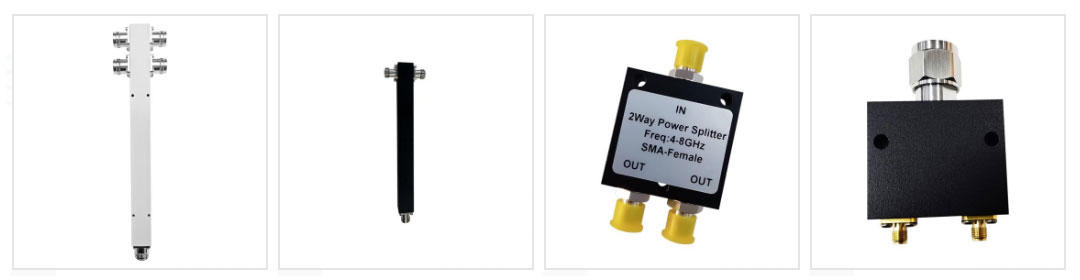
Power splitters distribute RF signals evenly across multiple paths. They are widely used in DAS, IBS, and macro base stations.
Key considerations include:
A poorly designed splitter can introduce imbalance and reflection, especially in wideband or multi-operator systems.
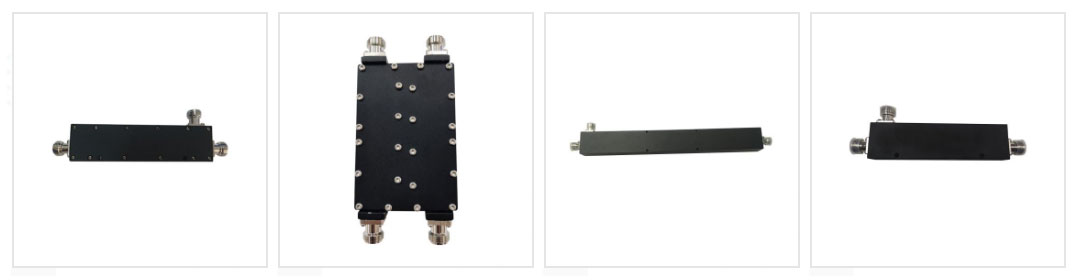
Directional couplers allow engineers to tap a controlled portion of signal power for monitoring, measurement, or redistribution.
Typical coupling values include 6dB, 10dB, 15dB, and 20dB — each serving different coverage and signal control needs. Selecting the wrong coupling value often leads to uneven coverage or link budget distortion.
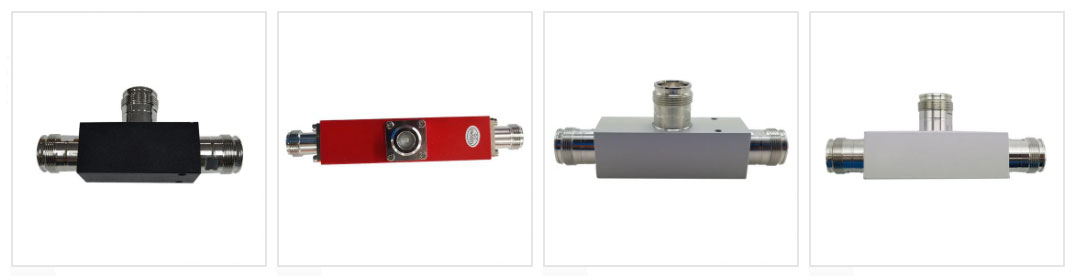
Power tappers are commonly used in DAS layouts where unequal power distribution is required along a feeder line.
Compared to standard splitters, tappers provide:
They are essential for corridor-style or multi-floor in-building deployments.
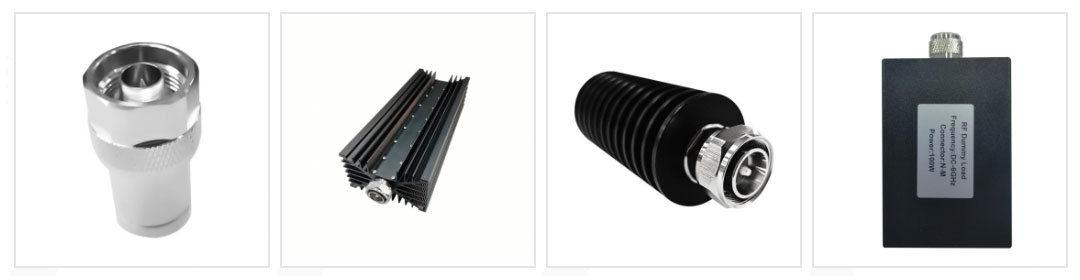
RF Dummy Loads are often underestimated, yet they are critical for system stability.
They are used to:
In real networks, open ports are a frequent source of high VSWR and PIM issues. Properly rated dummy loads eliminate these hidden risks.
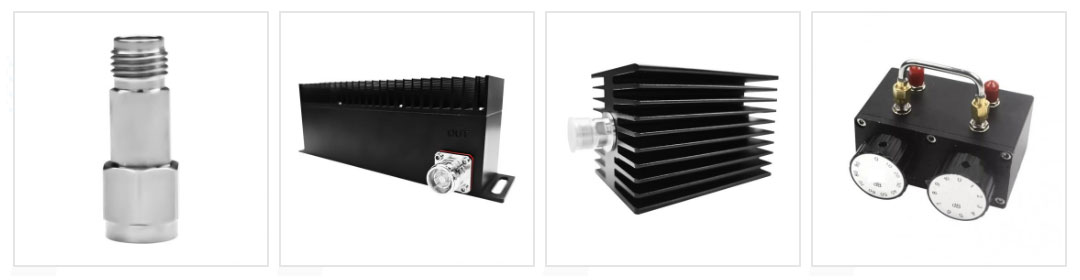
Attenuators are used to fine-tune signal levels without redesigning the entire RF layout.
They help:
Fixed attenuators are especially useful during commissioning and troubleshooting.
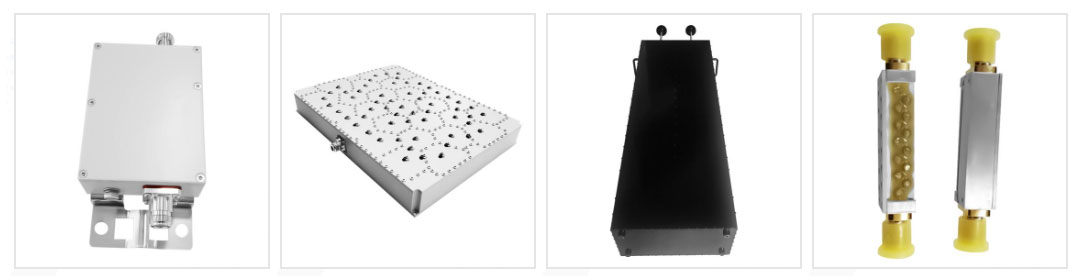
Filters ensure that only the desired frequency bands pass through the system.
Common types include:
In multi-band and multi-operator environments, filters are essential for reducing interference and maintaining compliance.
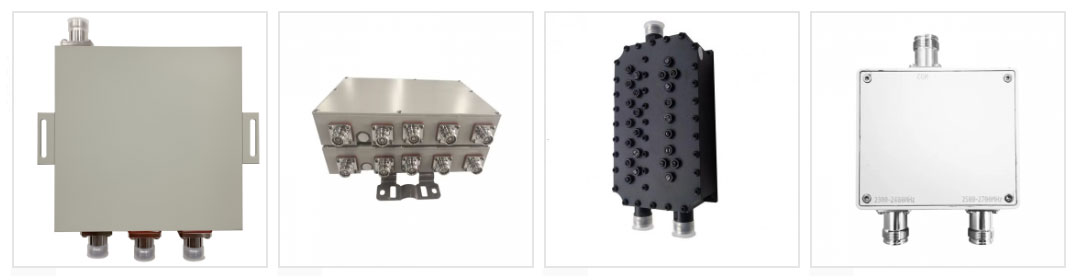
RF combiners merge multiple input signals into a single output, commonly used in base stations and shared antenna systems.
High-quality combiners provide:
Poor isolation can directly degrade network performance.
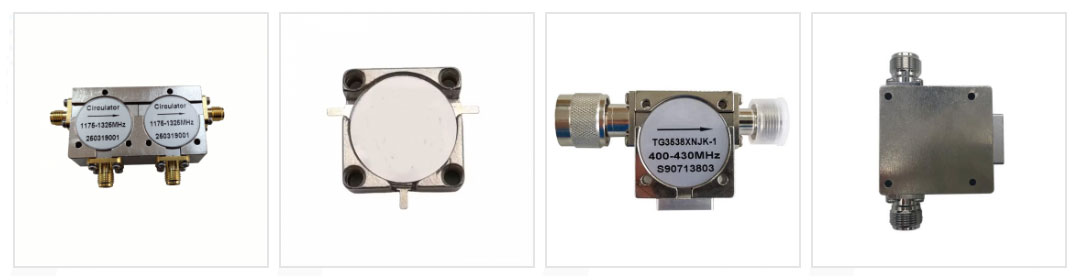
Isolators protect transmitters by blocking reflected power, while circulators route signals between ports in a controlled direction.
They are critical in:
Without them, reflected energy can damage active components over time.
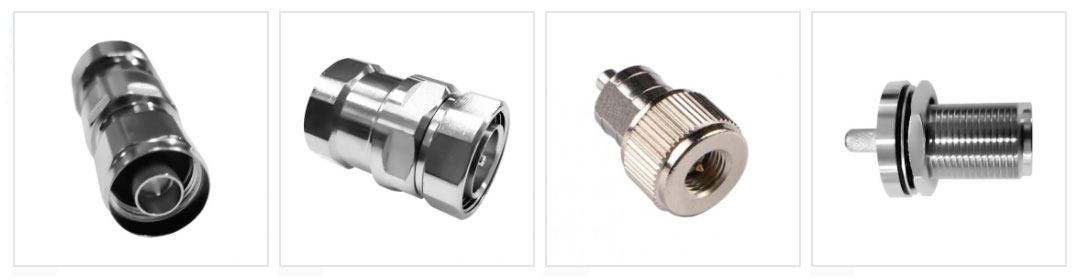
Connectors are often treated as accessories, but in reality, they are part of the RF path.
Key factors include:
A single poor connector can compromise the entire system.
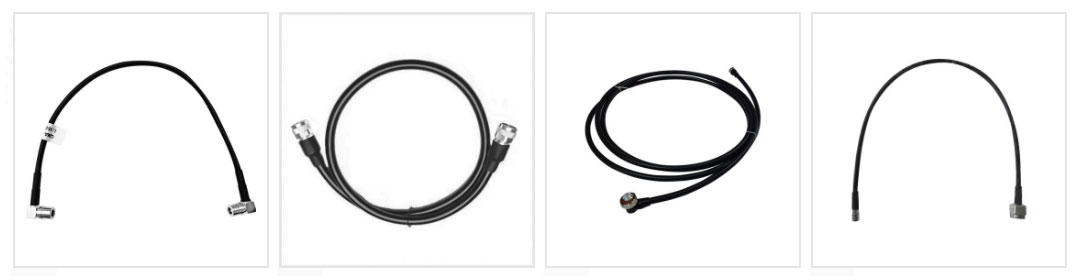
Cables determine signal loss over distance and directly affect system efficiency.
When selecting coaxial cables, engineers should consider:
In outdoor or high-power environments, cable quality is just as important as any RF component.
Reliable wireless communication is not achieved by one high-end component — it is achieved by system-level consistency.
From splitters and couplers to dummy loads and connectors, every RF passive component must be:
As a factory specializing in RF passive components, we see firsthand how correct component selection reduces failures, simplifies maintenance, and extends network lifespan.
In wireless systems, the details you don’t see are often the ones that matter most.
У вас есть какие-либо вопросы ?
Позвоните Нам : +86 551 65329702